
What Is Dhokra Art? The 4,000-Year-Old Craft That Time Couldn't Erase
 By Sujay Tripathy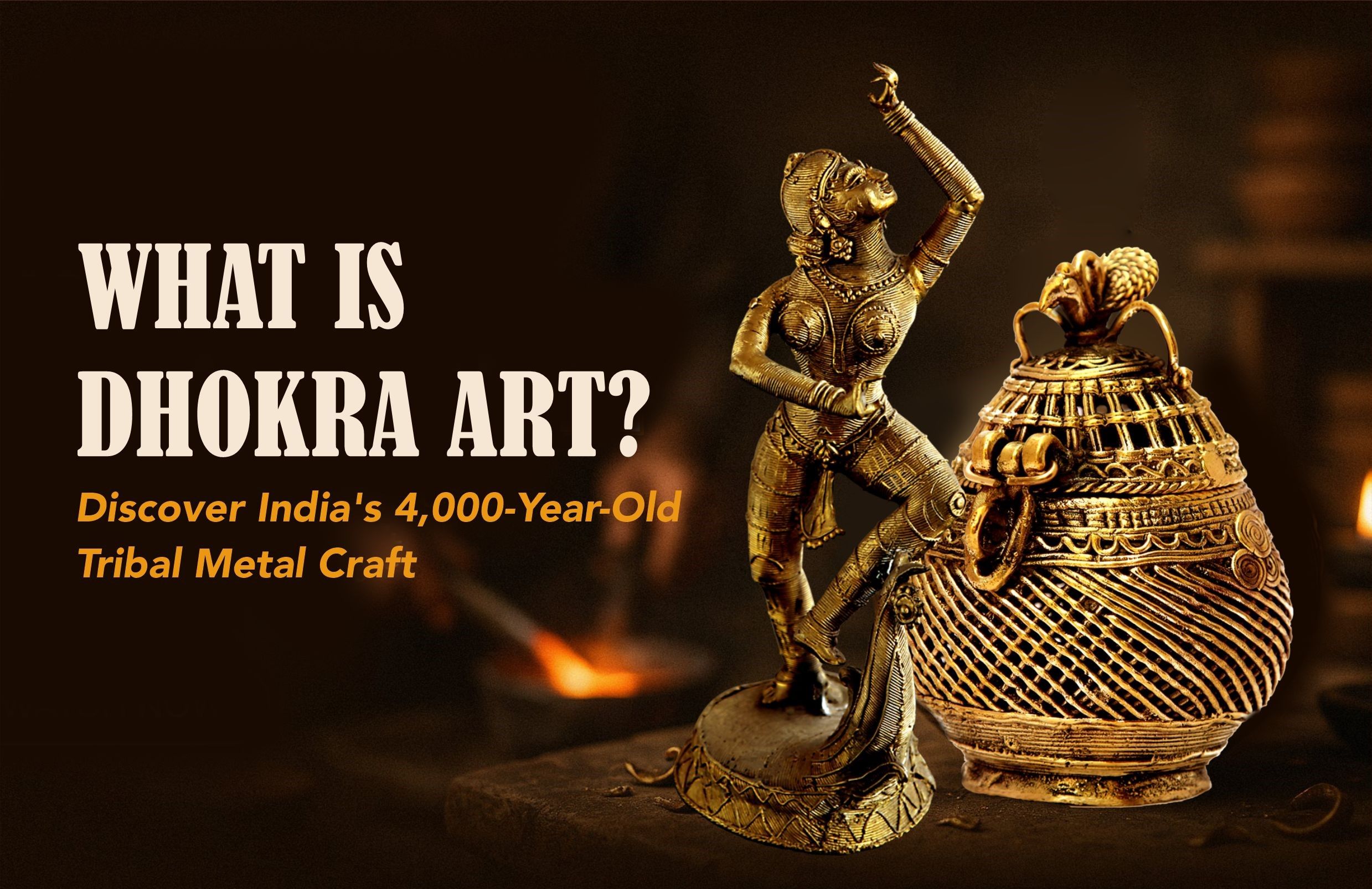
What if a craft born over 4,000 years ago survived every empire, every revolution, and every machine age and still arrived here as Odisha Tribal Handicrafts?
Dhokra artisans have passed this craft down for over 4,000 years, hand to hand. While kingdoms rose and fell and the world turned to machines, this one craft kept going. Today, in the villages of Odisha, that same story is still being cast in metal.
The 4,000-Year-Old Secret Hiding in Plain Sight
Here's the twist most people don't know: the famous "Dancing Girl" bronze figurine from Mohenjo-daro - one of the most iconic artifacts of the Indus Valley Civilisation- was made using the exact same technique Dhokra artisans use today.
That technique is called lost-wax casting. It hasn't changed much in four millennia - passed down not through books, but through craft and memory. That's not folklore. That's living history you can hold in your palm.
Meet the Artists behind the Craft
Dhokra art gets its name from the Dhokra Damar tribe - nomadic metal smiths who once travelled across Odisha, Chhattisgarh, West Bengal, and Jharkhand.
They didn't have galleries. They had fairs, festivals, and word of mouth. Today, their descendants - many settled in artisan communities across Odisha, keeping the tradition alive as one of the strongest living links to India's tribal metalworking heritage.
This is exactly why Odisha tribal handicrafts like Dhokra are a cultural treasure, not just a "craft item." Every piece carries a tribe's memory in it.
How Dhokra Art Is Made: The Lost-Wax Process
This is where the magic happens:
- Build the core - A rough figure is shaped from clay mixed with rice husk, forming the hollow skeleton of the piece.
- Thread the wax - Fine strands of beeswax are rolled by hand and layered over the core, creating the intricate patterns you see later.
- Coat it in clay - The wax figure is coated again in fine clay, with small channels left open.
- Fire it up - The mould is heated until the wax melts and drains out completely - the "lost wax" the technique is named after.
- Pour the metal - Molten brass or bronze fills the space the wax left behind.
- Break the mould - Once cool, the clay shell is broken open and destroyed forever, revealing the finished piece.
Why No Two Pieces Are Ever the Same
- Every mould is hand-built from scratch; nothing is mass-produced.
- Every mould is destroyed the moment the piece is cast, so it can never be reused.
- Every wax thread is pressed by hand, so even "identical" designs carry tiny human variations.
In an age of factory duplicates, a Dhokra piece is the only one of its kind that will ever exist. You're not buying a product. You're buying a moment that happened once.
Stories Cast in Metal
Dhokra art doesn't just look tribal - it tells tribal stories:
- Horses and elephants - strength and status in tribal folklore
- Musicians and dancers - community celebrations frozen mid-rhythm
- Tribal deities and totems - figures rooted in local belief
- Everyday rural life - farmers, bullock carts, village scenes
Each figurine is a tiny time capsule of tribal Odisha.
Why Odisha Tribal Handicrafts Deserve a Spot in Modern Homes
- Genuinely sustainable - clay, beeswax, and metal, zero plastic
- Built to outlast trends - brass and bronze never fade or go "out of season"
- A real conversation starter - "4,000-year-old tribal technique" beats any factory showpiece
- Direct impact - every purchase supports tribal artisan families, keeping this craft alive. This isn't decor. It’s Odisha tribal handicrafts turning fire and metal into something that outlives us all.
Bring Home a Piece of Living History
Explore our Dhokra collection and take home a piece of history that no factory could ever replicate.