
The Story Behind Navaratri: Why Nine Nights Hold Timeless Significance
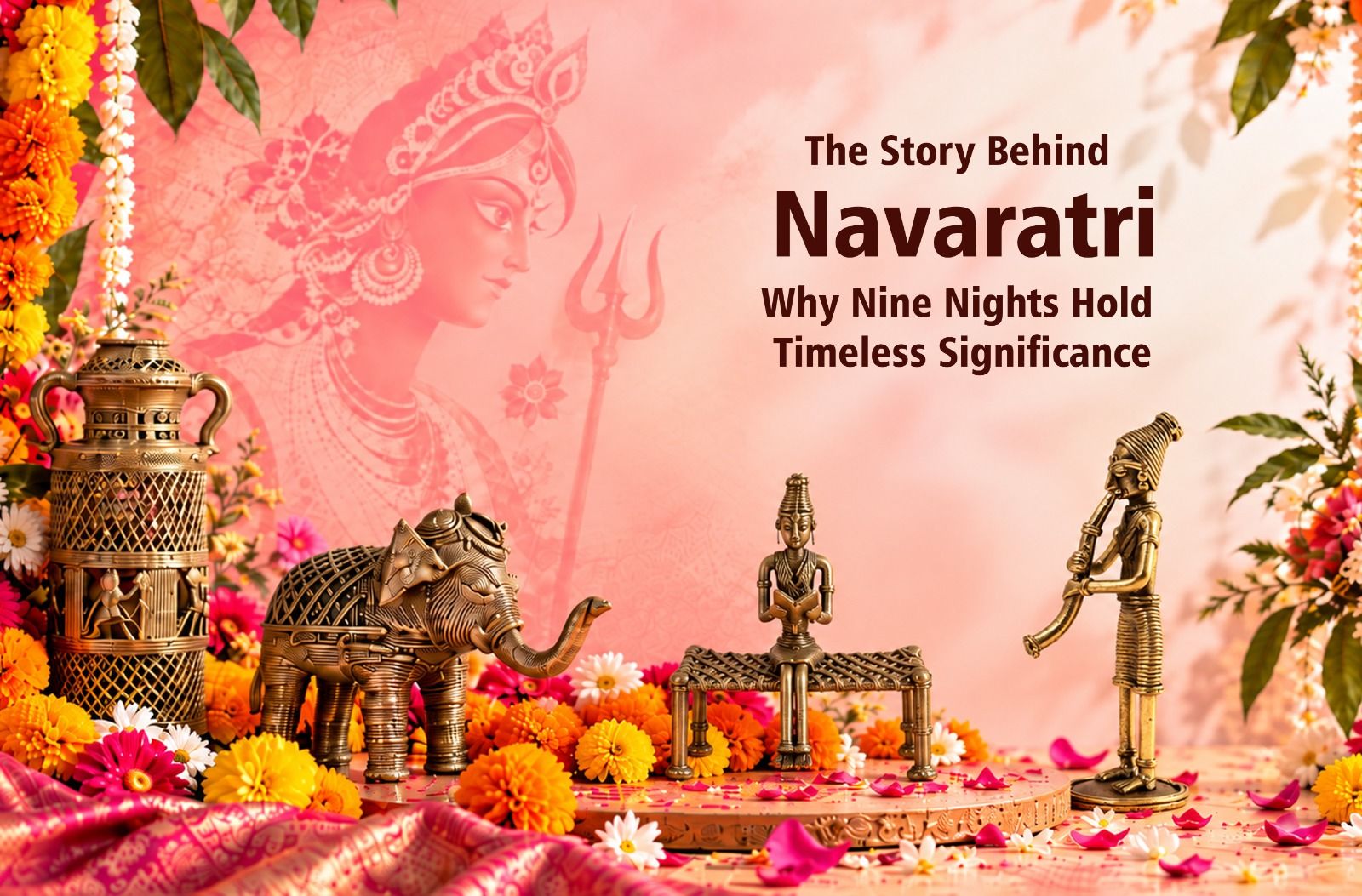
Navratri arrives like a quiet awakening, when lamps glow brighter, homes welcome auspiciousness and ancient symbols of strength and devotion find new meaning. In this sacred atmosphere, traditional Dhokra Art Odisha feels especially evocative. Cast in metal through an age-old craft, each handcrafted figure carries the warmth of human touch, while motifs of deities, animals and nature echo ideas of protection, fertility, courage and divine energy, the values beautifully resonant with Navratri.
The nine nights of Navratri celebrate the many expressions of Shakti, from nurturing grace to fierce protection. Dhokra, too, transforms elemental metal into forms that preserve stories, beliefs and cultural memory. This shared language of symbolism makes the craft a natural companion to the festival’s spirit. A Dhokra figure placed during Navratri is more than decor; it becomes a subtle reminder of resilience, sacred femininity and the enduring beauty of traditions passed from one generation to another.
The Sacred Meaning of Nine Nights in Navratri
Nine nights can feel like a long stretch of time, yet Navratri gives each one a distinct spiritual rhythm. The word Navratri itself means “nine nights", and the festival honours the divine feminine through different manifestations of Goddess Durga. Across traditions, these forms represent qualities such as strength, courage, wisdom, compassion, purity and spiritual power.
Something deeply poetic about the festival unfolds through the night. Darkness, traditionally associated with rest and stillness, becomes a space for prayer, reflection and renewal. The nine days also link to the triumph of Goddess Durga over Mahishasura, giving the celebration its enduring symbolism of good overcoming evil. Yet Navratri is not only about victory; it is about inner awakening, the gradual movement from darkness towards clarity, strength and grace.
From the quiet glow of lamps to the rhythmic circles of Garba, every tradition gives the nine nights a different expression. Families pray, fast, decorate their homes and honour Shakti in ways shaped by regional customs. This remarkable diversity is part of Navratri’s timeless beauty. The rituals may change from one corner of India to another, but the reverence for feminine divine energy remains at its heart.
Dhokra Art and the Symbolism of Divine Shakti
Dhokra art has long carried stories through form, turning humble metal into figures that speak without words. Across traditional craft communities, depictions of deities, animals, musicians and everyday life preserve cultural beliefs and visual symbolism. When viewed through the spirit of Navratri, these forms beautifully echo Shakti, the divine feminine energy associated with creation, protection, strength and transformation. The raw, textured surface of Dhokra makes this symbolism feel earthy and deeply human.
There is also poetry in the way Dhokra is created. Using the ancient lost-wax casting technique, artisans shape wax, encase it in clay and ultimately allow molten metal to take the form of their creation. The original wax model is lost, but its essence remains forever in metal. In this transformation lies a quiet parallel to Shakti, energy constantly changing form, yet never truly disappearing.
How Odisha’s Dhokra Traditions Echo Navratri’s Spirit
Odisha’s cultural soul is rooted in its soil, forests, village rituals and temple traditions. Dhokra reflects this heritage, with Sadeibereni artisans preserving generations-old lost-wax metalcraft through earthy forms, textures and skilled hands.
During Navratri, Dhokra resonates with Odisha’s devotion to Durga. From Puri’s Gosani Jatra to tribal art, the sacred lives alongside everyday traditions. Its raw contours, shaped by metal, fire, clay and imagination, celebrate a culture where faith and craftsmanship coexist.
Bringing Auspiciousness Home Through Dhokra Craftsmanship
Bringing a piece of Dhokra into the home is like inviting a fragment of Odisha’s living heritage into everyday spaces. Its hand-cast forms, earthy textures and traditional motifs carry stories of devotion, nature and community. During Navratri, such craftsmanship can beautifully complement the festival’s atmosphere of reverence and renewal. Beyond decoration, a Dhokra piece becomes a quiet symbol of auspiciousness where ancestral artistry, sacred symbolism and contemporary living meet.
Navratri leaves behind more than the glow of lamps or the rhythm of celebration. It leaves an imprint of Shakti, the quiet courage to create, protect, transform and begin again. In Odisha, where soil, metal, ritual and artistry intertwine, that spirit feels especially tangible. Perhaps that is Navratri’s enduring magic, turning ancient belief into something we can still feel, hold and carry forward.
Bring Navratri home with timeless Dhokra art beautifully crafted pieces under ₹999 and ₹1,499, made to celebrate tradition with meaning.