
Why Is Dhokra Art Disappearing from Mainstream Society?
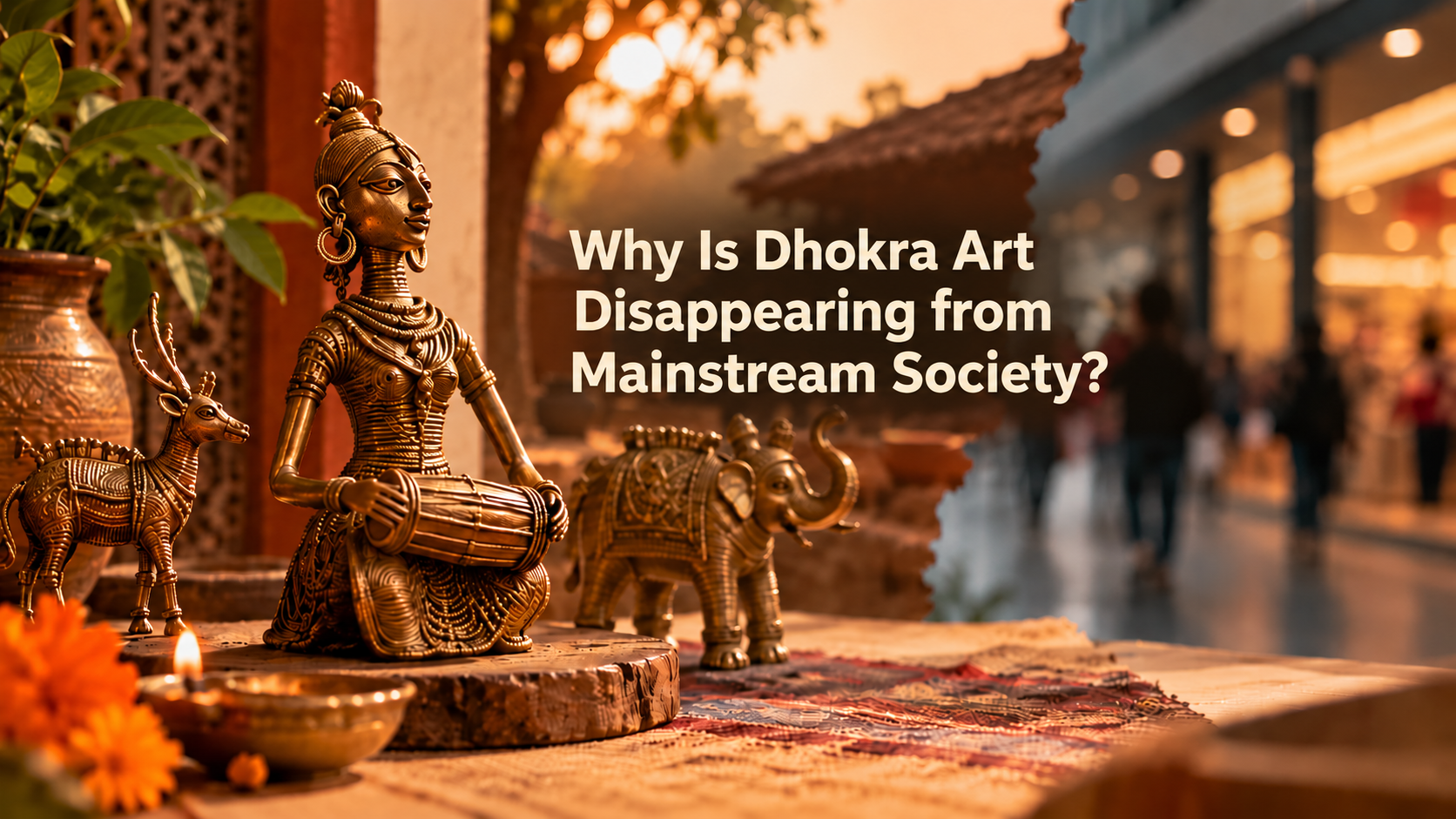
There is a quiet story hidden in every curve, every texture and every earthy silhouette of Traditional Dhokra Art Odisha. Born from ancient metal-casting traditions, this craft carries the imagination, patience and skilled hands of generations. Yet, as modern tastes shift towards mass-produced decor, this beautiful art form is slowly moving away from the centre of everyday life.
Dhokra is more than an object shaped in metal; it is a fragment of living heritage. Each handcrafted piece holds the warmth of its maker and the character of a tradition that cannot be replicated by machines. But when artisans struggle to find recognition, younger generations look elsewhere and handmade craftsmanship becomes less visible, the question becomes unavoidable: what happens when a culture’s artistry is no longer part of mainstream society?
When Handmade Craft Begins to Feel Forgotten
Handmade craft rarely disappears overnight. It fades quietly when people stop noticing the hands behind it. In a world filled with quick, identical, machine-made products, the tiny imperfections of handcrafted art seem unfamiliar. Slowly, traditions once woven into everyday life begin to feel distant, even when their beauty remains timeless.
Dhokra carries something a factory-made object never can: a human touch shaped by patience, practice and heritage. Every curve bears the mark of its maker; every uneven texture tells a story. When such pieces are overlooked, we lose more than an art form; we lose a living connection to generations before us.
Why Are Fewer People Choosing Dhokra Today?
Dhokra once found a natural place in homes, traditions and everyday expressions of beauty. Today, changing lifestyles and faster buying habits have shifted preferences towards products that are affordable, instantly available and easy to replace. Handmade Dhokra, with its slower process and distinctive character, struggles to compete with the convenience of mass-produced decor.
There is also a quiet gap between the craft and the modern audience. Many people admire Dhokra when they see it, yet know little about its origins, the making process, or the artisans behind it. Without awareness, appreciation rarely becomes a purchase. And when demand weakens, an art sustained by generations can slowly lose its place in contemporary life.
The Struggle Behind Every Handcrafted Piece
Behind every Dhokra piece is a journey that machines cannot imitate. From shaping the core to building delicate wax patterns and casting molten metal, each stage demands patience, precision and practiced hands. A small figure takes hours or days to emerge, carrying not just form but also the quiet dedication of its maker.
Yet the artisan’s hardest challenge often begins after the craft is complete. Limited visibility, changing consumer preferences, rising material costs and competition from factory-made décor make traditional craftsmanship difficult to sustain. When handmade work is valued only for its price, the years of knowledge behind every piece remain unseen, making survival harder for the next generation.
Can Dhokra Find Its Place in Modern Homes Again?
Dhokra can beautifully belong in modern homes because its charm does not depend on trends. Its earthy textures, organic forms and handcrafted character can add warmth to contemporary spaces, from a quiet corner shelf to a thoughtfully styled living room. More than decor, each piece brings a sense of story and soul, creating a gentle connection between modern living and an ancient artistic tradition.
Its future can grow brighter when people choose to see handmade art differently, not as something old-fashioned, but as something wonderfully enduring. By bringing Dhokra into our homes, gifting it on meaningful occasions, and sharing the stories behind it, we help keep artisan knowledge alive. A craft shaped by generations can continue inspiring generations, finding new meaning in modern spaces.
Traditional Dhokra Art Odisha is not simply a craft from the past; it is a living expression of skill, culture and human imagination. Its future depends on keeping that artistry visible, valued and loved. When we choose handmade, we choose stories over sameness and heritage over haste. In doing so, we give timeless craftsmanship a meaningful place in tomorrow’s world.